Acini De Pepe: Velvety Pasta
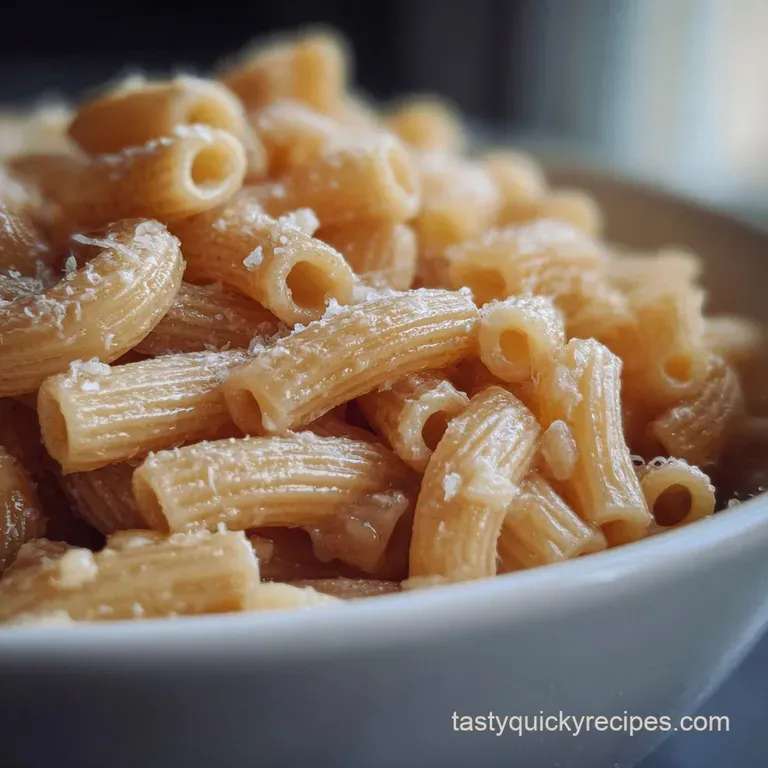
- Time: Active 5 minutes, Passive 10 minutes, Total 15 minutes
- Flavor/Texture Hook: Velvety, rich, and savory with a bright lemon finish
- Perfect for: Juggling a busy weeknight schedule or a quick solo lunch
- Mastering Savory Acini de Pepe Pasta
- Quick Timing for Weeknight Success
- Elements for a Silky Sauce
- Kitchen Gear for Smooth Results
- Combining Ingredients for Velvety Texture
- Fixing Texture and Cooking Issues
- Easy Substitutions and Flavor Variations
- Storing and Using Every Scrappy
- Perfect Pairings for Your Table
- Recipe FAQs
- 📝 Recipe Card
Mastering Savory Acini de Pepe Pasta
The first time I stood over a pot of these tiny grains, the sizzle of the butter hitting the pan was nearly drowned out by the chaos of a Tuesday evening. I was juggling a toddler who wanted "tiny noodles" and a husband who needed something more substantial than a basic buttered pasta.
As the garlic aroma filled the kitchen, hitting that sharp, savory note, I realized that these little beads of dough are secret weapons for home cooks. They cook so fast that you barely have time to set the table before they are ready to be tossed in that silky, golden sauce.
There is something hypnotic about the way the butter coats the pasta, making each bead shimmer under the kitchen lights. I used to think these were only for soup, a mistake I quickly corrected after one bite of this creamy, carbonara style version.
It is not just a meal, it's a lifesaver when you are short on time but refuse to compromise on flavor. You'll love how the Pecorino melts into the residual heat, creating a thick, velvety coating that feels like a warm hug in a bowl.
This dish is all about timing and texture. We are moving away from the watery broths and into the world of rich, emulsified sauces. Trust me on this, once you see how the starch from the Acini de Pepe transforms the chicken stock into a glossy glaze, you will never look at this tiny pasta the same way again.
Let's crack on and get this to the table while it is still steaming and perfect.
The Starch Suspension Strategy
Because of the high surface area to volume ratio of these tiny pasta beads, they release starch at an accelerated rate compared to larger shapes. This creates a natural thickening agent that allows the butter and stock to form a stable, velvety emulsion without needing heavy cream.
| Method | Cook Time | Texture | Best For |
|---|---|---|---|
| Traditional Boil | 8 minutes | Soft & separate | Cold pasta salads |
| Toasted Risotto | 12 minutes | Nutty & chewy | Rich, savory sides |
| One Pot Simmer | 10 minutes | Creamy & silky | Quick weeknight meals |
Using the one pot simmer method for this recipe ensures that we don't lose a single drop of that precious starch. It acts as the "glue" for our egg and cheese mixture later on.
Quick Timing for Weeknight Success
When you are juggling multiple tasks, having a clear timeline is the difference between a velvety sauce and a scrambled mess. This recipe moves fast, so I always recommend having your cheese grated and your egg whisked before the pasta even touches the heat. It’s all about the flow.
First, you'll want to focus on the aromatics. Smashed garlic cloves offer a subtle perfume without the risk of burnt, bitter bits floating in your delicate pasta. Once those hit the shimmering butter, you have about 60 seconds of pure fragrance before it's time to add the grains.
| Ingredient | Science Role | Pro Secret |
|---|---|---|
| Acini de Pepe | Starch provider | Toast them in butter first to prevent mushiness |
| Pecorino Romano | Emulsifier/Salt | Use a microplane for an instant melt |
| Large Egg | Protein binder | Temper with warm stock to prevent curdling |
| Lemon Juice | Acid balance | Adds "brightness" that cuts through the heavy fat |
The lemon juice might seem like a small addition, but it's the component that makes the whole dish sing. It reacts with the fats in the butter and egg, ensuring the flavor doesn't feel heavy or one dimensional on your palate.
Elements for a Silky Sauce
For this recipe, we are using specific ingredients that play well together under heat. I always reach for low sodium chicken stock because it allows us to control the salt levels, especially since Pecorino Romano is naturally quite salty.
- 12 oz Acini de Pepe pasta: These look like tiny peppercorns and hold their shape beautifully.
Why this? The small size creates more surface area for the sauce to cling to.
- Substitute: Orzo (similar starch profile but slightly longer cook time).
- 3 tbsp unsalted butter: Provides the fat base for the initial toast.
Why this? Unsalted allows you to control the final seasoning perfectly.
- Substitute: Extra virgin olive oil for a fruitier, dairy-free base.
- 4 cups low sodium chicken stock: The flavorful cooking liquid.
Why this? Infuses the pasta with savory depth unlike plain water.
- Substitute: Vegetable broth (keeps it vegetarian friendly).
- 2 cloves garlic, smashed: For a gentle, aromatic infusion.
Why this? Smashing keeps the garlic intact so you can remove it easily.
- Substitute: 0.5 tsp garlic powder if you're in a massive rush.
- 1 large egg: The key to the creamy, custard like finish.
Why this? Acts as a binder and adds a rich mouthfeel.
- Substitute: 0.25 cup heavy cream for a different kind of richness.
- 0.75 cup Pecorino Romano cheese: Sharp, salty, and perfect for melting.
Why this? Higher sheep's milk fat content makes for a smoother melt.
- Substitute: Parmesan (milder flavor, slightly less salty).
- 1 tbsp lemon juice: To cut through the richness.
Why this? Brightens the starch and fat for a balanced bite.
- Substitute: White wine vinegar if lemons are missing from the bowl.
- 1 tsp freshly cracked black pepper: For a subtle heat.
Why this? Large cracks provide "pops" of flavor in the smooth sauce.
- Substitute: White pepper for a more uniform, earthy heat.
- 0.25 cup fresh parsley: For a pop of color and freshness.
Why this? The grassy notes balance the salty cheese.
- Substitute: Fresh chives or basil for a different herbal profile.
Kitchen Gear for Smooth Results
You don't need a professional kitchen to pull this off, but a couple of specific tools make the process much smoother. I personally love using a heavy bottomed pan like a Dutch oven or a deep stainless steel skillet.
The heat distribution is more even, which prevents the pasta at the bottom from scorching while the rest is still simmering.
Chef's Tip: Use a microplane to grate your cheese. The "snow like" texture of microplaned cheese melts instantly into the hot pasta, preventing those annoying clumps of cheese that never seem to integrate.
A sturdy whisk is also essential for the egg and cheese mixture. You want it completely homogenous before it hits the pan. If you see streaks of egg white, keep whisking. The goal is a pale yellow, thick paste that will transform into a velvety glaze the moment it meets the warm stock.
Combining Ingredients for Velvety Texture
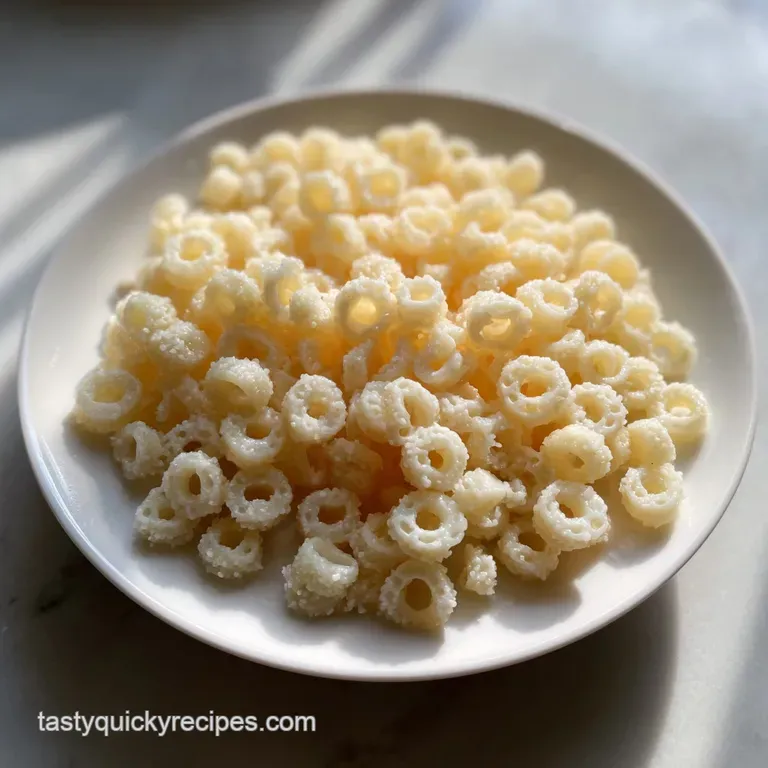
1. Infusing the Fat
Place the butter in a wide skillet over medium heat. Once it begins to sizzle and foam, add the smashed garlic cloves. Note: We want to flavor the oil without browning the garlic too deeply.
2. Toasting the Grains
Pour the 12 oz Acini de Pepe into the butter. Stir constantly for 2 minutes until the pasta smells nutty and turns golden. This step is vital for structural integrity so the beads don't turn into mush.
3. Adding the Liquid
Slowly pour in the chicken stock. Increase the heat to bring it to a boil, then immediately reduce to a simmer. Note: The liquid should just barely cover the pasta grains.
4. The Simmer Phase
Cook for 8 to 10 minutes, stirring occasionally. You are looking for the liquid to be mostly absorbed until the mixture looks like thick porridge.
5. Prepping the Liaison
While the pasta simmers, whisk the egg and 0.75 cup Pecorino Romano in a small bowl. Add the black pepper here as well so it's evenly distributed.
6. Tempering the Sauce
Take a small ladle of the hot pasta liquid and slowly whisk it into the egg mixture. Note: This raises the temperature of the egg slowly so it doesn't scramble.
7. The Final Emulsion
Turn off the heat entirely. Pour the egg and cheese mixture over the pasta and stir vigorously for 60 seconds until the sauce becomes glossy and thick.
8. The Bright Finish
Stir in the lemon juice and parsley. The heat from the pasta will wilt the parsley just enough to release its oils without losing its vibrant green color.
9. Checking the Seasoning
Taste a spoonful. If it needs more salt, add a pinch, but remember the Pecorino is already quite salty. Serve immediately while the texture is at its peak silkiness.
Fixing Texture and Cooking Issues
One of the most common hiccups is the sauce becoming too thick too quickly. Because the Acini de Pepe continues to absorb moisture even after you turn off the heat, it can go from "perfectly creamy" to "sticky block" in a matter of minutes.
Why Your Sauce Clumped
If your cheese isn't melting or is forming stringy balls, the temperature was likely too high when you added the mixture. Residual heat is your friend here, not active flame.
Why Your Pasta Is Mushy
This usually happens if the pasta was simmered too long or if it wasn't toasted in the butter first. That initial toast creates a protective barrier that keeps each bead distinct.
| Problem | Root Cause | Solution |
|---|---|---|
| Grainy Sauce | Egg curdled/scrambled | Temper the egg with hot liquid before adding |
| Dry Pasta | Liquid evaporated too fast | Stir in a splash of warm stock or water |
| Bland Flavor | Low salt or no acidity | Increase lemon juice and add more Pecorino |
Common Mistakes Checklist
- ✓ Don't skip the toasting step; it provides a nutty depth and better texture.
- ✓ Remove the garlic cloves before serving to avoid a bitter surprise.
- ✓ Always turn off the burner before adding the egg mixture to prevent scrambling.
- ✓ Use freshly grated cheese; pre shredded varieties contain cellulose that prevents melting.
- ✓ Serve in warmed bowls to keep the delicate sauce from tightening up too fast.
Easy Substitutions and Flavor Variations
If you can't find this specific pasta at your local shop, don't panic. There are plenty of ways to adapt this without losing the soul of the dish. I've made this with everything from couscous (though the texture is much softer) to broken spaghetti.
| Original Ingredient | Substitute | Why It Works |
|---|---|---|
| Acini de Pepe | Orzo or Stelline | Similar small shapes that release high starch levels. |
| Pecorino Romano | Aged Manchego | High fat and salty bite. Note: Slightly nuttier finish. |
| Chicken Stock | Bone Broth | Higher protein and more gelatin for a thicker sauce. |
Creating a Mediterranean Twist
Add a tablespoon of capers and some sun dried tomatoes during the final simmer. The acidity of the capers works beautifully with the creamy egg base, giving it a bright, salty pop that feels like a trip to the coast.
Adding Savory Protein
Stir in some shredded rotisserie chicken or crispy pancetta at the very end. This turns the side dish into a full blown meal that is incredibly satisfying. Honestly, don't even bother with low-fat versions here; the fat is what carries the flavor.
Making It Vegetarian
Swap the chicken stock for a high-quality vegetable bouillon. I like to add a teaspoon of nutritional yeast to the egg mixture to mimic that deep, savory "umami" that you might miss from the chicken base.
| Servings | Ingredient Adjustments | Pan Size | Cook Time |
|---|---|---|---|
| 2 people | 6 oz pasta, 2 cups stock | 8 inch skillet | 10 minutes |
| 4 people | 12 oz pasta, 4 cups stock | 12 inch skillet | 10 minutes |
| 8 people | 24 oz pasta, 8 cups stock | 6 quart pot | 15 minutes |
Storing and Using Every Scrappy
If you happen to have leftovers, keep in mind that the pasta will continue to soak up the sauce in the fridge. When you go to reheat it, it might look like a solid mass. Don't throw it out!
Add a splash of stock or even a little milk when reheating on the stove, and it will loosen right back up into that velvety consistency.
- Fridge: Store in an airtight container for up to 3 days.
- Freezer: Not recommended. The egg based sauce can separate and become grainy once thawed.
- Zero Waste: If you have leftover parsley stems or the garlic you removed, throw them into a freezer bag. They are perfect for making your next batch of homemade stock. Even the rind of the Pecorino can be tossed into a simmering soup for a massive flavor boost.
Perfect Pairings for Your Table
This dish is quite rich, so I usually pair it with something that has a bit of crunch or high acidity to balance the meal. A simple arugula salad with a sharp balsamic vinaigrette is my go to. The peppery bite of the greens cuts right through the Pecorino and butter.
If you are serving this as a side, it works brilliantly next to a piece of flaky white fish or a simple seared chicken breast. The "shatter" of a crispy chicken skin against the velvety pasta is a textural match made in heaven.
But honestly, most nights, I just eat a big bowl of it on its own, sitting on the couch after a long day of juggling life. It’s fast, it’s flavorful, and it’s exactly what a home cook needs in their repertoire.
Debunking Kitchen Myths
One big misconception is that you must rinse pasta to stop it from sticking. For this recipe, rinsing would be a disaster! We need every bit of that surface starch to create the sauce. Another myth is that eggs will always scramble in hot pasta.
As long as you temper the egg and work with residual heat, you'll get a silky custard every single time. It's brilliant how a little physics can change your dinner game.
Recipe FAQs
What pasta is similar to acini de pepe?
Orzo or stelline are good substitutes. These pasta shapes are also small and release high levels of starch, which is crucial for creating a creamy sauce.
Is couscous and acini de pepe the same thing?
No, they are different, though couscous can be a substitute in a pinch. Acini de pepe is a type of pasta made from durum wheat semolina, while couscous is made from semolina that has been rolled into small balls. Acini de pepe typically holds its shape better and releases more starch.
What is the difference between acini de pepe and pastina?
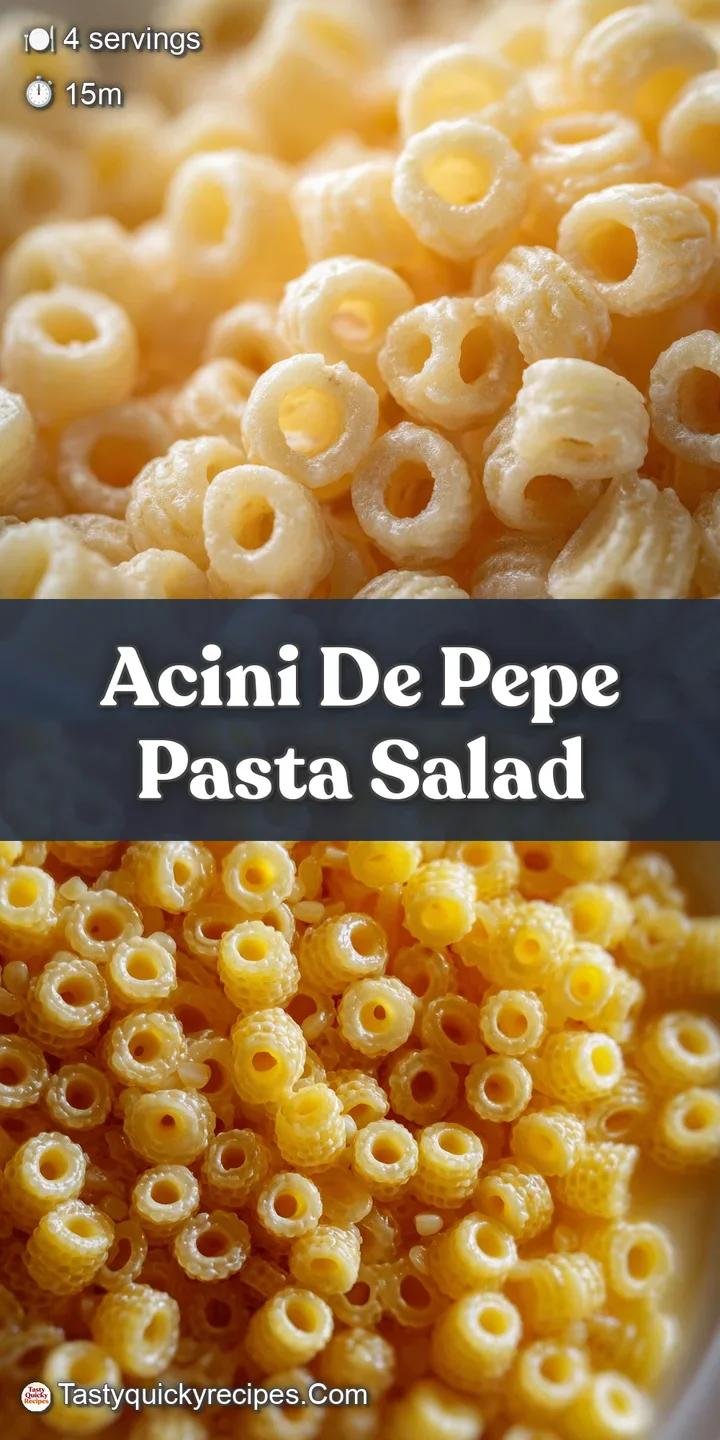
Acini de pepe is a specific type of pastina. Pastina is a general Italian term for "tiny pasta" and includes many small shapes, like acini de pepe, orzo, stelline, and ditalini. Acini de pepe specifically refers to the tiny, peppercorn shaped pasta.
Is acini de pepe the same as orzo?
No, they are similar but distinct pasta shapes. Orzo is shaped like a large grain of rice or barley, while acini de pepe are tiny beads resembling peppercorns. Both are small and cook quickly, releasing starch that can thicken sauces.
Can I use orzo instead of acini de pepe?
Yes, orzo is a suitable substitute. While the shapes are different, orzo releases a similar amount of starch when cooked, which is essential for building the creamy sauce in this recipe. The cook time might be slightly different.
What kind of pasta is acini de pepe?
Acini de pepe is a very small, round pasta shape. It's classified as a type of "pastina," which means "tiny pasta" in Italian, and is often used in soups or light pasta dishes.
Is acini de pepe good for thick sauces?
Yes, its high starch content makes it excellent for creamy sauces. The tiny shape releases a significant amount of starch as it cooks, which naturally thickens liquids and helps emulsify ingredients like egg and cheese into a velvety sauce.
Acini De Pepe
Ingredients:
Instructions:
Nutrition Facts:
| Calories | 505 kcal |
|---|---|
| Protein | 19.5 g |
| Fat | 17.5 g |
| Carbs | 66.1 g |
| Fiber | 2.8 g |
| Sugar | 1.4 g |
| Sodium | 465 mg |
