Awesome Country Apple Fritter Bread: Rustic and Glazed
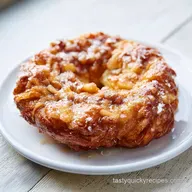
Tangy sour cream ensures this easy apple fritter bread stays moist while the sweet glaze mimics the texture of a classic bakery donut in a convenient loaf form.
rustic fruit loaf
Homemade bread fills a home with an aroma that store-bought loaves cannot match. Whether you are looking for a slow-rising dough to serve with dinner or a sweet loaf for a weekend breakfast, baking from scratch gives you full control over the ingredients and final texture.
This collection features a variety of methods, including simple quick-bread techniques and traditional yeast-based doughs. These recipes are designed for home cooks who want reliable results without needing professional bakery equipment.
These loaves rely on chemical leaveners rather than yeast, which removes the need for multiple rising stages. They are characterized by a tender, cake-like crumb and focus on fruit or spice-forward profiles that work well for breakfast or afternoon snacks.
Tangy sour cream ensures this easy apple fritter bread stays moist while the sweet glaze mimics the texture of a classic bakery donut in a convenient loaf form.
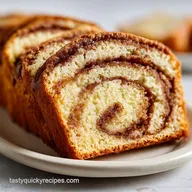
rustic fruit loafThe use of buttermilk creates a tender crumb in this quick bread, while the cinnamon swirl provides a sweet contrast that pairs well with a hot cup of coffee.
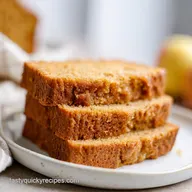
tangy buttermilk baseApplesauce provides natural moisture and a delicate sweetness to this loaf, resulting in a smooth texture that holds up well when sliced for a quick afternoon snack or breakfast.
honey-sweetenedWorking with yeast allows for the development of structural chew and airy pockets through fermentation. These recipes include a savory Italian classic and a rich brioche-style pastry, both of which use specific proofing times to achieve their distinct shapes and heights.
This jumbo cinnamon roll recipe uses a pillowy brioche base and a rich cream cheese finish, making it a distinct centerpiece for holiday brunches or special weekend mornings.
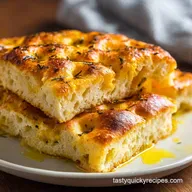
jumbo sizeThis authentic Italian focaccia yields a shatter-crisp crust and a light, airy interior without the need for intense kneading, making it the ideal entry point for new bakers.
no-knead method| # | Recipes | Best For | Time | Difficulty | Texture | Type |
|---|---|---|---|---|---|---|
| 1 | Awesome Country Apple Fritter Bread | brunch gatherings | 1 hr 20 min | Easy | moist | quick bread |
| 2 | Cinnamon Buttermilk Loaf | morning coffee pairing | 1 hr 15 min | Easy | tender | quick bread |
| 3 | Cinnamon Applesauce Bread | school lunchboxes | 1 hr 10 min | Easy | smooth | quick bread |
| 4 | Giant Cinnamon Roll: Pillowy Brioche | weekend family brunch | 45 min active / 3 hr total | Intermediate | soft | yeasted |
| 5 | Focaccia Recipe: Shatter Crisp | serving with pasta | 20 min active / 2 hr 30 min total | Beginner | crispy | yeasted |
Discover more curated recipe collections
Explore more recipe collections →