Chicken Fried Rice: Restaurant Quality
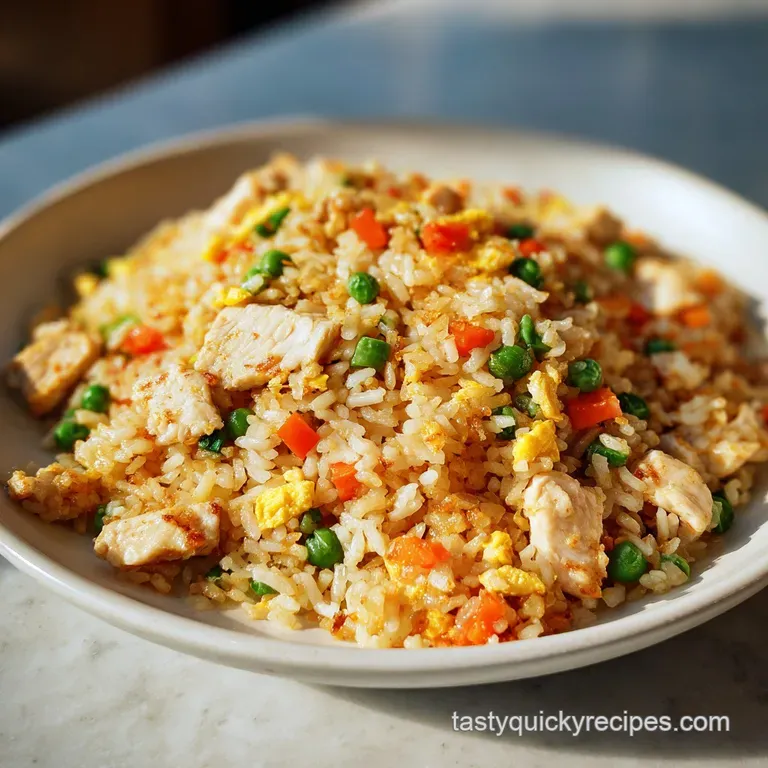
- Time: Active 10 minutes, Passive 10 minutes, Total 20 minutes
- Flavor/Texture Hook: Smoky, savory, and velvety chicken paired with distinct, chewy rice grains
- Perfect for: Juggling a busy weeknight schedule while craving a comforting, family favorite dinner
- Make-ahead: Cook the rice up to 48 hours in advance for the best texture
- Why This Strategic Cooking Method Works
- Essential Specifications for Your Evening Meal
- The Definitive Shopping List Breakdown
- Choosing the Right Equipment for Success
- Mastering the High Heat Stir Fry Technique
- Troubleshooting Your Home Stir Fry Results
- Creative Ways to Customize Your Meal
- Scaling the Recipe for Any Crowd
- Debunking Common Stir Fry Myths
- Keeping Your Leftovers Fresh and Reheated
- The Best Side Dishes to Serve Tonight
- Recipe FAQs
- 📝 Recipe Card
Listen, we’ve all been there standing in front of the fridge at 6:00 PM, juggling a million tasks, staring at a plastic container of three day-old rice. My first attempt at making this was a total disaster; I used fresh, steaming rice and ended up with a sad, mushy porridge that stuck to the pan like glue.
I almost gave up on homemade takeout entirely until I realized the secret wasn't in the sauce, but in the "stale" rice.
The moment you hear that first aggressive sizzle when the cold rice hits the hot oil, you know you're doing it right. There’s a specific aroma a mix of toasted sesame oil and searing garlic that fills the kitchen and immediately brings everyone to the table.
This isn't just a "clean out the fridge" meal; it’s a strategic, fast paced dance of flavors that yields a result so much better than the soggy cartons delivered to your door.
We’re going to walk through the exact flow I use to get this on the table in twenty minutes flat. Forget the fancy equipment for a second; what you really need is high heat, a bit of patience with your protein, and the discipline to let the rice actually "fry" instead of just steaming.
Let's get stuck into why this method actually works.
Why This Strategic Cooking Method Works
Retrogradation: Chilling the rice overnight allows the starch molecules to realign and harden, which prevents the grains from breaking or clumping during the over high heat stir fry.
Velveting Technique: Using a small amount of cornstarch on the chicken creates a protective barrier that keeps the meat succulent and prevents it from drying out at high temperatures.
Maillard Reaction: High heat triggers a chemical reaction between amino acids and reducing sugars, giving the chicken and rice those characteristic browned, savory edges.
Emulsification: The oyster sauce and sesame oil act as binders, creating a glossy coating that clings to each grain rather than pooling at the bottom of the bowl.
| Thickness of Chicken | Internal Temp | Rest Time | Visual Cue |
|---|---|---|---|
| 1/2 inch cubes | 165°F | 2 minutes | Opaque center, golden exterior |
| 1 inch strips | 165°F | 4 minutes | Firm to touch, lightly browned |
| Shredded (Leftover) | 165°F | 0 minutes | Sizzling and slightly crispy |
When you're trying to decide how to approach your meal prep, think about the texture you're after. If you want those distinct, separate grains found in the best Chicken Fried Rice, the overnight chill is non negotiable.
If you're in a rush and only have fresh rice, spreading it on a baking sheet and blasting it in front of a fan for 30 minutes is a decent "emergency" shortcut, though it won't be quite as chewy as the traditional method.
Essential Specifications for Your Evening Meal
Getting the timing right is the difference between a soggy mess and a professional looking plate. Because this recipe moves fast, you need to have your "mise en place" (everything in its place) ready before the heat even goes on. Once the oil starts shimmering, you won't have time to peel ginger or mince garlic.
I’ve found that using a wide, flat bottomed skillet is actually better for most home stoves than a traditional round wok, as it maintains a more consistent contact with the heat source. You want to aim for a "flash" cook short bursts of high heat rather than a slow simmer.
This keeps the vegetables vibrant and the eggs soft rather than rubbery.
| Ingredient | Science Role | Pro Secret |
|---|---|---|
| Jasmine Rice | Starch Structure | Use "old" rice for a lower moisture content and better fry. |
| Cornstarch | Moisture Barrier | Toss the chicken in it to lock in juices and create a velvety texture. |
| Oyster Sauce | Umami & Viscosity | Adds a deep, savory thickness that soy sauce alone cannot provide. |
| Neutral Oil | Heat Transfer | Use Grapeseed or Canola; they have high smoke points for searing. |
The interaction between the chilled rice and the hot oil is what creates the "fry" in fried rice. If your rice is too warm, the steam will soften the exterior of the grain, leading to a clumpy texture. This is a similar concept to how we handle the rice in our Chicken Broccoli Rice recipe, where moisture control is key to a successful bake.
The Definitive Shopping List Breakdown
For this recipe, we are using specific ingredients that balance salt, fat, and aromatics. While you might be tempted to use regular table pepper, white pepper is the "secret" ingredient that gives it that specific back of-the throat heat found in restaurant versions.
- 1 lb chicken breast: Diced into 1/2 inch cubes. Why this? Lean protein that cooks fast and absorbs the savory sauce effectively.
- 1 tbsp cornstarch: Why this? This is the "velveting" secret that keeps the breast meat from getting tough.
- 3 cloves garlic: Minced freshly for the best punch.
- 1 tsp fresh ginger: Grated. Why this? Cuts through the saltiness with a bright, zingy note.
- 2 green onions: Whites and greens separated (whites for frying, greens for garnish).
- 4 cups cooked white jasmine rice: Chilled overnight. Why this? Jasmine has the right floral aroma and starch level for this dish.
- 1 cup frozen peas and carrots blend: Thawed.
- 2 large eggs: Lightly beaten for that soft scramble texture.
- 2 tbsp neutral oil: Grapeseed or canola.
- 3 tbsp low sodium soy sauce: Why this? Controls the salt while providing the classic dark color.
- 1 tbsp oyster sauce: The heavy hitter for depth of flavor.
- 1 tsp toasted sesame oil: Adds a nutty finish.
- 0.5 tsp white pepper: Essential for authentic "heat" without black flecks.
| Original Ingredient | Substitute | Why It Works |
|---|---|---|
| Chicken Breast | Chicken Thighs | Higher fat content stays even juicier. |
| Oyster Sauce | Hoisin Sauce | Provides sweetness and thickness. Note: Adds more sugar. |
| Jasmine Rice | Brown Rice | Nuttier flavor and higher fiber. Note: Needs more oil to prevent sticking. |
| Soy Sauce | Tamari | gluten-free alternative with a very similar salty profile. |
| White Pepper | Black Pepper | Similar heat. Note: Changes the visual and adds floral notes. |
If you find yourself missing the specific noodles for a Chicken Lo Mein recipe, this rice dish is the perfect fallback because it uses almost the exact same sauce base. It’s all about working with what you have in the pantry while maintaining those core savory principles.
Choosing the Right Equipment for Success
You don't need a thousand dollar setup to make world class Chicken Fried Rice, but you do need tools that can handle heat. A thin, non stick pan will often lose heat the moment you add the cold rice, leading to a "boiled" rice effect rather than a fry.
Chef's Tip: If you don't have a carbon steel wok, use a large cast iron skillet. Its heat retention is unparalleled, which helps mimic the "wok hei" (breath of the wok) that gives professional stir fry its smoky charred flavor.
A wide spatula preferably a metal one if you aren't using a non stick surface is essential for "cutting" through the rice clumps. You want to avoid smashing the rice; instead, use a folding and slicing motion to separate the grains while they toast in the oil.
Mastering the High Heat Stir Fry Technique
1. The over High heat Protein Sear
Pat the 1 lb chicken breast dry with a paper towel and toss with 1 tbsp cornstarch. Heat 1 tbsp oil in the pan until it's shimmering and just about to smoke. Add the chicken in a single layer and leave it alone for 2 minutes until a golden crust forms on the bottom.
Flip and cook for another 1-2 minutes until opaque, then remove and set aside. Note: Taking it out early prevents it from overcooking during the final toss.
2. The Soft Scramble
Wipe the pan quickly and add a splash more oil if needed. Pour in the 2 beaten eggs. Let them sit for 5 seconds, then gently push them toward the center until soft, billowy ribbons form. They should be slightly underdone because they will continue to cook later. Remove and set aside with the chicken.
3. Sautéing the Aromatics
Add the remaining oil to the pan. Toss in the 3 minced garlic cloves, 1 tsp grated ginger, and the white parts of the 2 green onions. Sauté for about 30 seconds until the kitchen smells intensely fragrant but before the garlic turns brown and bitter.
4. The Rice Crumble
Add the 4 cups of chilled jasmine rice directly into the pan with the aromatics. Use your spatula to break up any large clumps. Let the rice sit undisturbed for 1 minute until you hear a rhythmic popping sound, which means the grains are actually toasting.
5. Vegetable Integration
Add the 1 cup of thawed peas and carrots. Stir fry for 2 minutes, tossing frequently to distribute the heat. Note: Thawing the veggies prevents excess water from steaming the rice.
6. The Signature Sauce Glaze
Whisk the 3 tbsp soy sauce, 1 tbsp oyster sauce, 1 tsp sesame oil, and 0.5 tsp white pepper in a small bowl. Pour the mixture over the rice. Toss vigorously for 1 minute until every grain is coated in a glossy, bronze sheen.
7. The Final Re incorporation
Add the cooked chicken and scrambled eggs back into the pan. Toss for another 1 minute to warm everything through.
8. The Garnish Finish
Turn off the heat. Sprinkle the reserved green onion tops over the pan and give it one last stir. Serve immediately while the rice still has its "shatter" and chew.
Troubleshooting Your Home Stir Fry Results
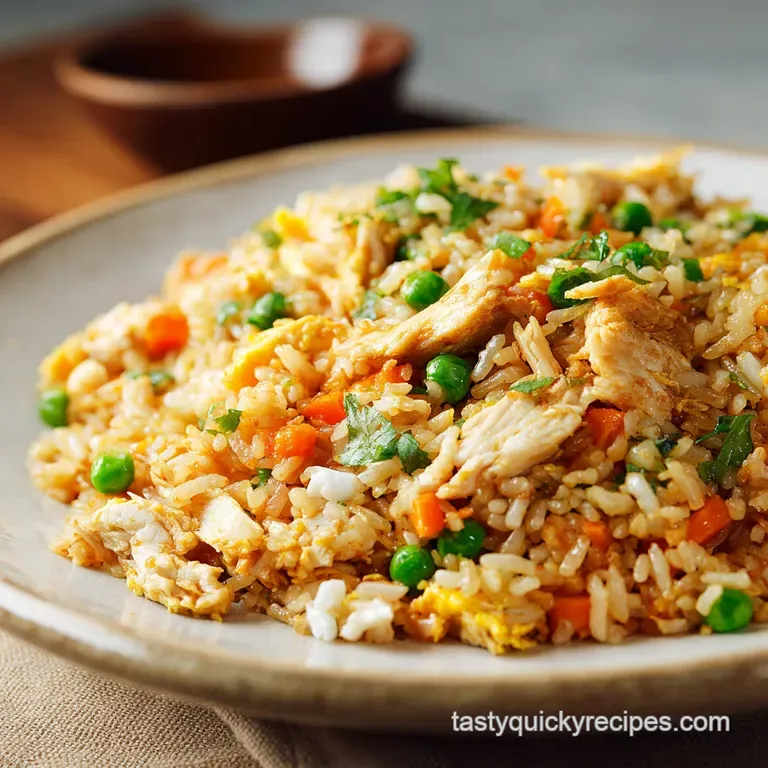
Sometimes, despite our best efforts, the rice doesn't behave. If you find your dish looking more like a grey clump than a vibrant stir fry, it's usually a temperature or moisture issue. Don't panic; most mistakes are fixable if caught early enough.
Why Your Rice is Gummy
The most common culprit is using rice that hasn't been properly dried or chilled. If the starch hasn't had time to "set," it will release moisture as soon as it hits the heat, creating a sticky paste. Also, overcrowding the pan drops the temperature, turning a fry into a steam.
| Problem | Root Cause | Solution |
|---|---|---|
| Rice is mushy | Too much moisture or fresh rice | Spread on a tray and chill uncovered; use less sauce next time. |
| Chicken is dry | Overcooked or no cornstarch | Use the velveting method; remove chicken as soon as it's opaque. |
| Bland flavor | Not enough salt or aromatics | Add an extra splash of oyster sauce or a pinch of salt at the end. |
Common Mistakes Checklist
- ✓ Never use freshly boiled rice; the steam is the enemy of the "fry."
- ✓ Don't skip the cornstarch on the chicken; it’s the only way to keep it silky.
- ✓ Ensure the pan is screaming hot before the rice goes in to prevent sticking.
- ✓ Thaw frozen vegetables completely and pat them dry to avoid watering down the sauce.
- ✓ Use a neutral oil with a high smoke point; butter will burn too quickly at these temps.
- ✓ Work in batches if your pan is small to maintain that over high heat sear.
Creative Ways to Customize Your Meal
Once you have the base of this Chicken Fried Rice down, you can start playing with the "extras." I often swap the chicken for shrimp or even firm tofu if I'm feeling a different vibe. The technique remains the same, but the flavor profile can shift dramatically with just one or two changes.
- For a Spicy Kick: Add 1 tbsp of Sambal Oelek or chili crisp along with the soy sauce. It adds heat and a beautiful red tint to the grains.
- For a Tropical Twist: Add 1/2 cup of diced fresh pineapple at the very end. The acidity cuts through the richness of the oyster sauce perfectly.
- For the "Everything" Bowl: Throw in some diced Chinese sausage (Lap Cheong) or bacon bits for an extra layer of smoky fat.
Chef's Tip: If you're out of sesame oil, don't just skip it. A tiny drop of toasted peanut oil or even a sprinkle of toasted sesame seeds can provide that essential nutty aroma that rounds out the saltiness.
Scaling the Recipe for Any Crowd
When scaling this recipe, remember that the "crowding" rule becomes even more important. If you double the ingredients, you absolutely must cook in two separate batches.
- Scaling Down (1-2 people): Half the ingredients, but keep the egg count at one. Use a smaller 8 inch skillet to ensure the sauce doesn't just evaporate instantly.
- Scaling Up (8 people): Double all ingredients but keep the spices/salt to 1.5x initially, then taste and adjust. It is much easier to add more soy sauce than to fix a salt lick.
- Baking Shortcut: If you're cooking for 10+, you can actually mimic this in the oven by tossing the chilled rice, oil, and sauce together and roasting on a sheet pan at 400°F (200°C) for 15 minutes, stirring halfway through. It's not "authentic," but it's a lifesaver for parties.
| Servings | Chicken Amount | Rice Amount | Pan Size |
|---|---|---|---|
| 2 people | 0.5 lb | 2 cups | 10 inch skillet |
| 4 people | 1 lb | 4 cups | 12 inch skillet |
| 6 people | 1.5 lb | 6 cups | 14 inch wok (Batch cook!) |
Debunking Common Stir Fry Myths
One huge misconception is that you need a jet engine burner to make good fried rice. While "wok hei" is a real thing in restaurants, you can achieve a very similar depth of flavor by simply leaving the rice alone in a cast iron pan for a minute to let it slightly char.
Another myth is that you must use Day Old Rice. While it's the gold standard, you can use "emergency" rice. Just cook it with 10% less water than usual, spread it thin on a tray, and put it in the freezer for 15 minutes.
It dehydrates the surface enough to get you through the dinner rush without the gummy aftermath.
Keeping Your Leftovers Fresh and Reheated
Storage: Keep leftovers in an airtight container in the fridge for up to 3 days. The flavor actually deepens overnight as the rice continues to absorb the sauce.
Freezing: You can freeze this for up to 2 months! To freeze, let it cool completely, then flat pack it in a freezer bag. This makes for a great "instant" lunch later on.
Reheating: Avoid the microwave if you can. It tends to make the chicken rubbery. Instead, toss the leftovers in a hot pan with a tiny splash of water (about 1 tsp) and cover it for 30 seconds. The steam will revive the rice while the pan re crisps the edges.
Zero Waste Tip: Don't throw away those broccoli stalks or the bottom of the celery bunch! Finely dice them and toss them in with the peas and carrots. Fried rice is the ultimate vehicle for using up those "bits and bobs" in the crisper drawer.
The Best Side Dishes to Serve Tonight
To make this a full spread, I love pairing it with something crunchy or acidic. The richness of the Fried Rice needs a bit of contrast to keep the palate excited.
A simple cucumber salad with rice vinegar and a pinch of sugar is my go to. If you have a few extra minutes, these Fried Chicken Wings recipe provide a fantastic textural contrast. For a veggie heavy side, try steaming some bok choy with a drizzle of the same oyster sauce we used in the rice. If you’re feeling more traditional, a bowl of hot Stuffed Paprika Recipe might seem out of place, but the rice heavy filling actually shares a lot of DNA with the comfort levels we're aiming for here.
Just remember: fried rice is meant to be fun. It’s a fast, flavorful way to feed the people you love without spending hours at the stove. Trust your heat, watch for that golden sear on the chicken, and don't be afraid to let that rice "pop" in the pan. Happy cooking!
Recipe FAQs
What are the ingredients for chicken fried rice?
Essential components include: cooked, chilled white jasmine rice, diced chicken breast, eggs, frozen peas/carrots, garlic, ginger, green onion, low sodium soy sauce, oyster sauce, toasted sesame oil, and white pepper. These ingredients balance starch structure, umami depth, and aromatics for the
classic flavor profile.
What gives Chinese fried rice its flavor?
The primary flavor driver is the combination of oyster sauce and white pepper, backed by fresh aromatics. Oyster sauce provides a deep, savory umami that soy sauce alone cannot replicate, while white pepper offers that specific back-of-the-throat heat common in takeout.
What is the secret ingredient in Chinese fried rice?
The true secret isn't a sauce ingredient, but using rice that has been cooked and chilled for at least 12 hours. This process, called retrogradation, hardens the starch, allowing the grains to separate and toast rather than clump and steam when hitting high heat.
What is the trick to making good fried rice?
Cook everything over high, intense heat and do not overcrowd the pan during any step. If you are cooking for a crowd, always cook in smaller batches to ensure the temperature stays high enough to sear the rice grains rather than gently steaming them into a mush.
How do I prevent the chicken in my fried rice from drying out?
Toss the diced chicken in cornstarch before searing it quickly over high heat. This technique is called "velveting," and it creates a protective barrier that locks in the chicken's moisture during the high temperature cooking process. If you enjoyed mastering this texture control here, see how the same principle helps keep meat succulent in our Honey Garlic Chicken recipe.
Can I use freshly cooked rice instead of day-old rice?
No, stick with cold, day-old rice for the best texture. Freshly cooked rice contains too much internal moisture, which will release steam when heated, resulting in gummy, sticky clumps rather than distinct, chewy grains.
What oil should I use for the stir fry?
Use a neutral, high smoke point oil like canola or grapeseed oil. These oils can handle the intense heat required to achieve the Maillard reaction on the rice and chicken without burning or adding off-flavors to the dish.
Chicken Fried Rice In 20
Ingredients:
Instructions:
Nutrition Facts:
| Calories | 535 calories |
|---|---|
| Protein | 43.1 g |
| Fat | 15.2 g |
| Carbs | 52.4 g |
| Fiber | 2.1 g |
| Sugar | 1.8 g |
| Sodium | 685 mg |
